

Bed Bug Solutions
Learn how to detect and eliminate bed bugs for good with our expert tips.
Bed Bug Solutions
Expert guidance on detecting and eliminating bed bugs effectively and permanently.
Detection Methods
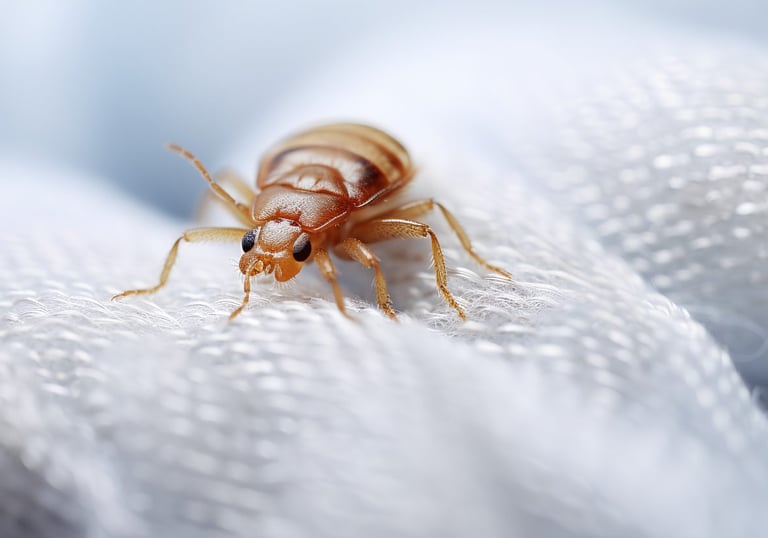
Learn how to identify bed bugs in your home with our comprehensive detection techniques.
Elimination Strategies
Discover proven methods to eradicate bed bugs and prevent future infestations successfully.
Long-term Prevention
Ongoing tips to keep your space bed bug-free for good.
Bed Bug Detection FAQs
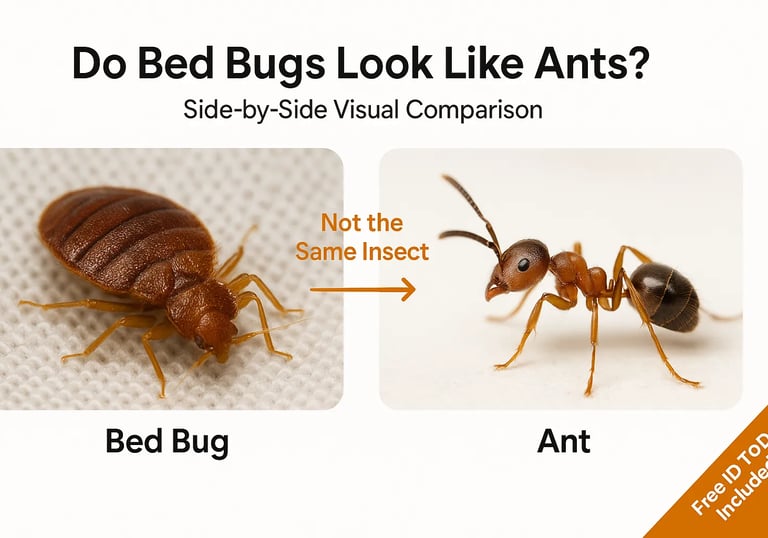
How can I detect bed bugs?
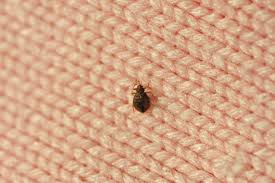
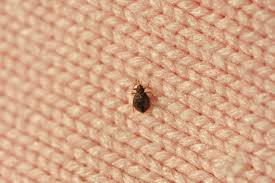
Look for dark spots, shed skins, and live bugs in your bedding and furniture. It’s important to thoroughly inspect all areas where you sleep or relax, including under your mattress, in the seams of your bed, and even behind your furniture. If you notice any signs of bed bugs, such as small brown stains or tiny white eggs, take immediate action to address the infestation before it worsens. Regular checks and maintaining a clean environment can help prevent these pests from taking over your home.
What are bed bug signs?
How to eliminate bed bugs?
What attracts bed bugs?
Can bed bugs bite pets?
Use heat treatment, insecticides, and thorough cleaning to eliminate bed bugs effectively. It's crucial to ensure that every nook and cranny of your home is treated adequately. Also, consider vacuuming regularly and sealing any cracks or crevices to further prevent infestations. In addition to these methods, you might want to consult with a professional exterminator to create a comprehensive pest control strategy tailored to your specific situation.
Bed bugs are attracted to warmth, carbon dioxide, and blood, making humans and pets prime targets. These small, nocturnal pests typically hide in cracks and crevices during the day and come out at night to feed. Their bites can cause irritation and allergic reactions in some individuals, leading to discomfort and sleepless nights for those affected. It's essential to take preventive measures, such as maintaining cleanliness, and checking for signs of infestation regularly, to avoid these unwelcome intruders in our living spaces.
Signs of infestation often include noticeable bites on the skin, which can appear as small red welts. Additionally, you may find blood stains on bed sheets and pillowcases, indicating that pests have been feeding while you sleep. There is often a musty odor in the room, which can be quite unpleasant and persistent. These signs are crucial for identifying a potential problem and should not be ignored, as they may lead to more serious issues if not addressed promptly.
Yes, bed bugs can bite pets, causing discomfort and irritation. These small, parasitic insects can find their way into your home and can often be difficult to detect. While they primarily feed on human blood, it's important to note that they can easily bite pets such as dogs and cats. The bites may lead to scratching and overall unease for your furry friends, and some pets may even develop allergic reactions to the bites. If you suspect that your pet has been bitten by bed bugs, it's advisable to consult a veterinarian for appropriate care and treatment. Regularly inspecting your living environment for these pests can help prevent infestations and keep your pets safe from harm.
Bed Bug Help
Expert advice on detecting and eliminating bed bugs.
I found the tips excellent for identifying bed bugs. They helped me effectively get rid of them in my home for good.
Jessica M.


Springfield
The guides provided were invaluable in helping me understand bed bug detection. I followed the steps and successfully eliminated them from my mattress.


Tom S.
Riverdale
★★★★★
★★★★★

Contact Us
Reach out for expert bed bug detection and removal advice.